
A delayed container is not just a shipping problem. For an importer, every day at port means demurrage charges, a launch date slipping past the retail window, and a wholesaler asking why their shelves are empty. In most cases we have seen, the container was not stuck because of the goods — it was stuck because of a missing document.
Laundry capsules look like ordinary consumer goods, but customs authorities in most markets treat them as chemical products. That single fact decides which documents you need. Here is the set that matters, who checks each one, and what to demand from your supplier before you pay the deposit.

1. Why Capsules Get "Special Attention" at Customs
A laundry capsule is a mixture of surfactants, enzymes and fragrance — classified as a chemical consumer product, not general merchandise. Customs and carriers ask two questions about it: is it safe to transport, and does the label tell the truth? Every document in this article exists to answer one of those two questions.
2. The Three Core Documents: MSDS, COA, Certificate of Origin
MSDS (Material Safety Data Sheet) — the document your freight forwarder asks for first. It states how the product is classified for transport, what it contains, and how to handle an incident. Most laundry capsule formulations ship as ordinary (non-dangerous) goods — but this must be stated on the MSDS, or the carrier will not confirm booking. Ask for the MSDS before you even request a quote; a manufacturer who cannot produce one on the same day is not ready to export.
COA (Certificate of Analysis) — batch-level quality proof: active content, pH, fragrance, dissolution results. Your quality team and, later, your retail buyers will audit against it. Make sure the COA batch numbers match the shipping marks on the actual cartons.
Certificate of Origin (CO) — tells customs where the goods were made, which decides your duty rate. Ask your forwarder which format your market needs: a general CO, or a preferential certificate that lowers the duty.
How we do it: the full set — MSDS, COA, CO and REACH-related declarations — is provided by default, currently serving 50+ export markets.
3. Shipping to the EU: REACH and Label Rules
For EU-bound cargo, two things get checked hardest. First, REACH-related declarations — the EU regulates chemical mixtures, and your importer of record needs the paperwork trail. Second, the detergent label itself: EU rules require a full ingredient list and biodegradable surfactants, and retail chains audit labels before listing. If your target market is the EU, confirm label compliance at the sampling stage, not after mass production.
4. Shipping to the US: Child-Resistant Packaging
The US treats liquid laundry packets as a special category because of accidental child exposure — a real regulatory focus, not a formality. There are specific requirements around package closure and warning labels for this product format. If your brand sells into the US, confirm at the specification stage that the packaging and carton artwork already meet these requirements; retrofitting packaging after production is expensive.
5. Heat, Routes and Container Choices
Pods are thermo-sensitive: prolonged heat softens the film and can weld pods together. For summer shipments on hot routes, plan around it — book ventilation-friendly scheduling with your forwarder, avoid deck-exposed positions, and if your route crosses extreme heat zones, discuss insulation options before booking. This is routine planning for experienced capsule exporters; your supplier should raise it before you do.
How we do it: hot-season shipping plans and packaging adjustments are discussed at order confirmation, with 15–25 day lead time after approval.
6. The Pre-Deposit Checklist
Before you pay the deposit, get these in writing — email is fine, contract is better:
- Full document list with the responsible party for each (factory, forwarder, or you)
- Sample MSDS and COA from a previous batch
- Confirmation that label artwork matches your target market's rules
- Incoterms stated explicitly — under FOB the factory hands documents to your forwarder; under DDP the seller carries more of the compliance load
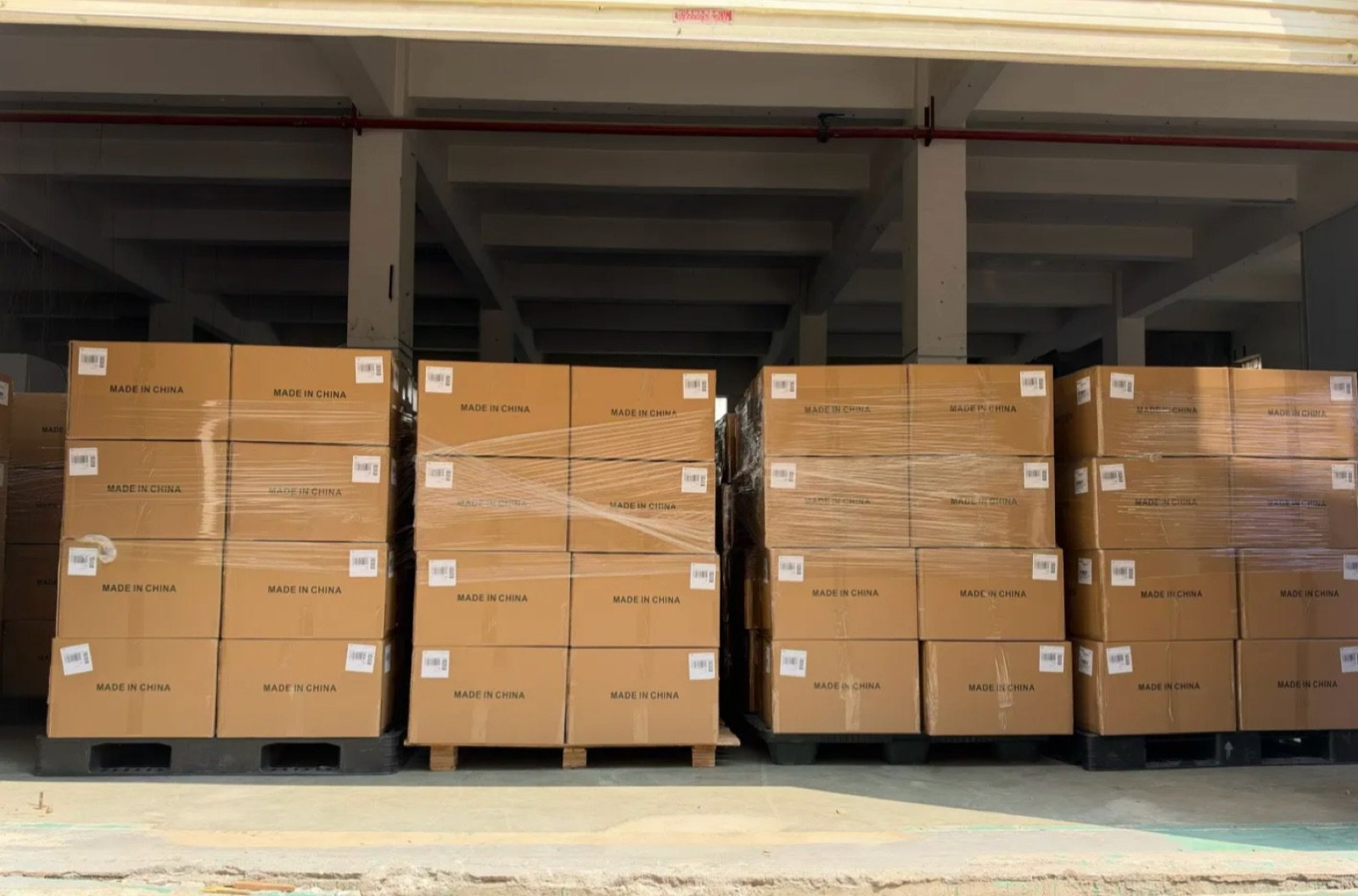
- Batch-to-carton traceability (COA batch numbers = shipping marks)
If any line is missing, sort it out now — not when the container is already on the water. (For judging whether a supplier can actually deliver all this, see our 7-point manufacturer checklist.)
The Honest Conclusion
No document list fits every route — the set that matters depends on your market, your retail channel and your terms. Run the pre-deposit checklist with two or three candidate suppliers, compare who answers precisely and who answers vaguely, and let the documents do part of the vetting for you. And if you already have a target market in mind, tell us the route — we will send the exact document set we provide for it, before you commit to anything.
Frequently Asked Questions
Most laundry capsule formulations are classified as ordinary goods for sea freight — but the classification must be stated on the MSDS, and the carrier decides booking based on that document. Never assume; ask for the MSDS and let your forwarder confirm.
Product documents (MSDS, COA, REACH declarations) come from the manufacturer. Transport and customs filings are handled by the forwarder or your customs broker. The most common failure is the gap between the two — nobody confirmed who hands what to whom. Close that gap with the written checklist above.
Neither is universally safer — they distribute risk differently. FOB gives you control over freight and customs through your own forwarder, at the cost of managing more yourself. DDP simplifies the first shipment but you rely on the seller's compliance execution. Decide based on your team, not on habit.